
There is a version of commercial real estate where the advisor gives advice and moves on. Gives you a range of value, a comp set, a recommendation. Signs the listing agreement and starts working on the next deal. That model has always existed and it always will.
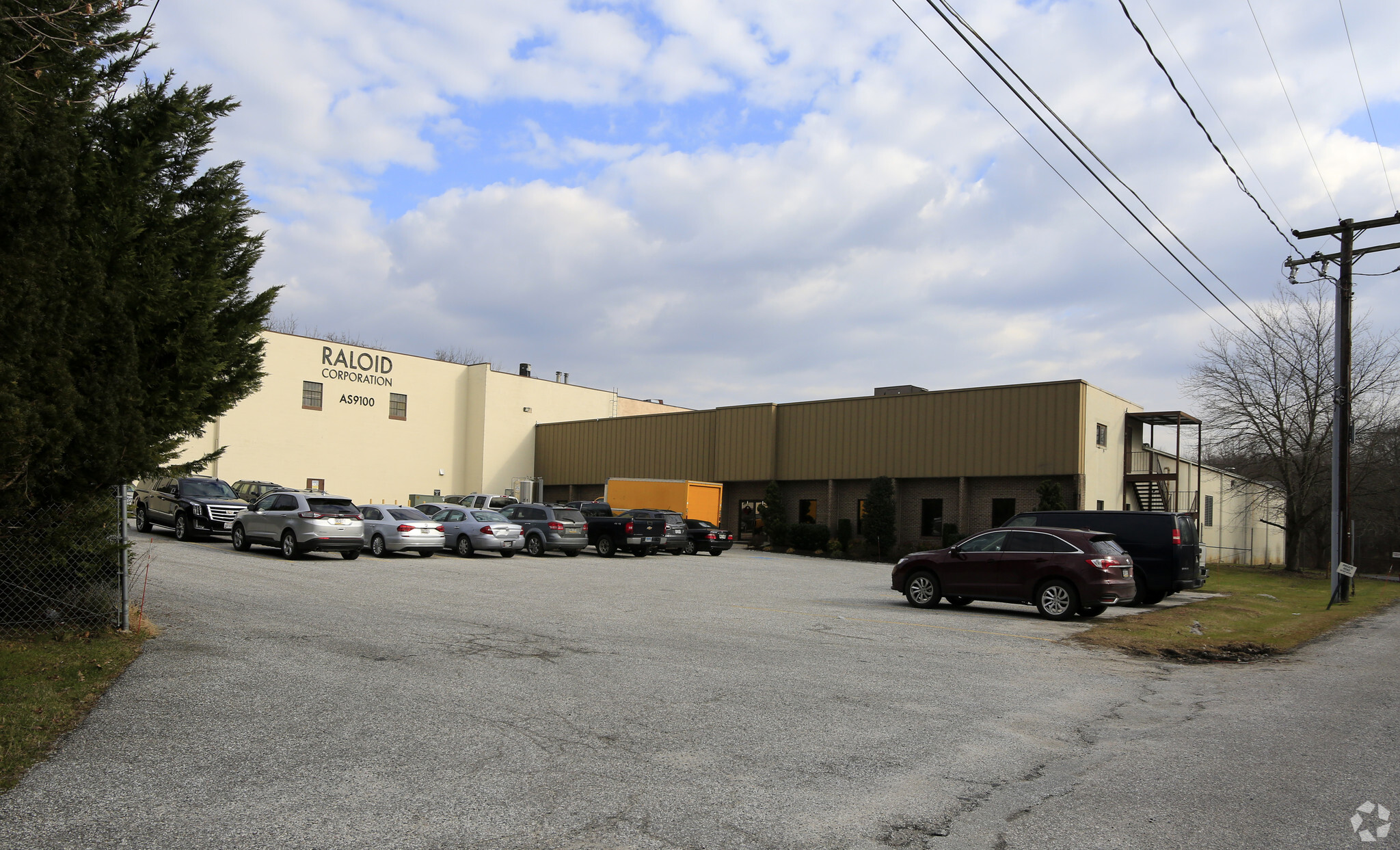
We built XD as a different thing from the start. We own property. We manage property. We have had to deal with leaky roofs, tenant disputes, capital calls, and lenders asking hard questions. Not as a consultant. As an owner.
Why It Changes How We Work
That background changes how we underwrite deals for clients. We are not running numbers on a spreadsheet in a vacuum. We are thinking about what we would actually do if we owned the building.
That sounds like a small thing but it is not. It means we are looking at things that do not show up in the offering memo. Roof condition. Parking ratio relative to the tenant mix. Whether the HVAC is sized right. Whether the existing tenants are going to renew or leave.
Why This Matters More Now
In a higher rate environment, this distinction matters more than it used to. When debt was cheap, most deals could pencil on leverage alone. Now the math is tighter and the operations matter more. Vacancy, lease structure, tenant quality, deferred maintenance. These are the things that determine whether an asset actually performs.
We have seen deals this year where the pro forma looked fine but the building had real problems underneath. Poor drainage, outdated dock seals, tenants on month-to-month with no intent to sign. Those deals can work, but only if you know what you are buying and you have a plan going in.
The Simple Version
The owner operators who are doing well right now bought right, kept their buildings up, and know their tenants. Not complicated. Just requires discipline and time in the market.
That is the standard we hold ourselves to. And it is the standard we bring to every deal we work on.